
The house · Huy
The Kakillerie
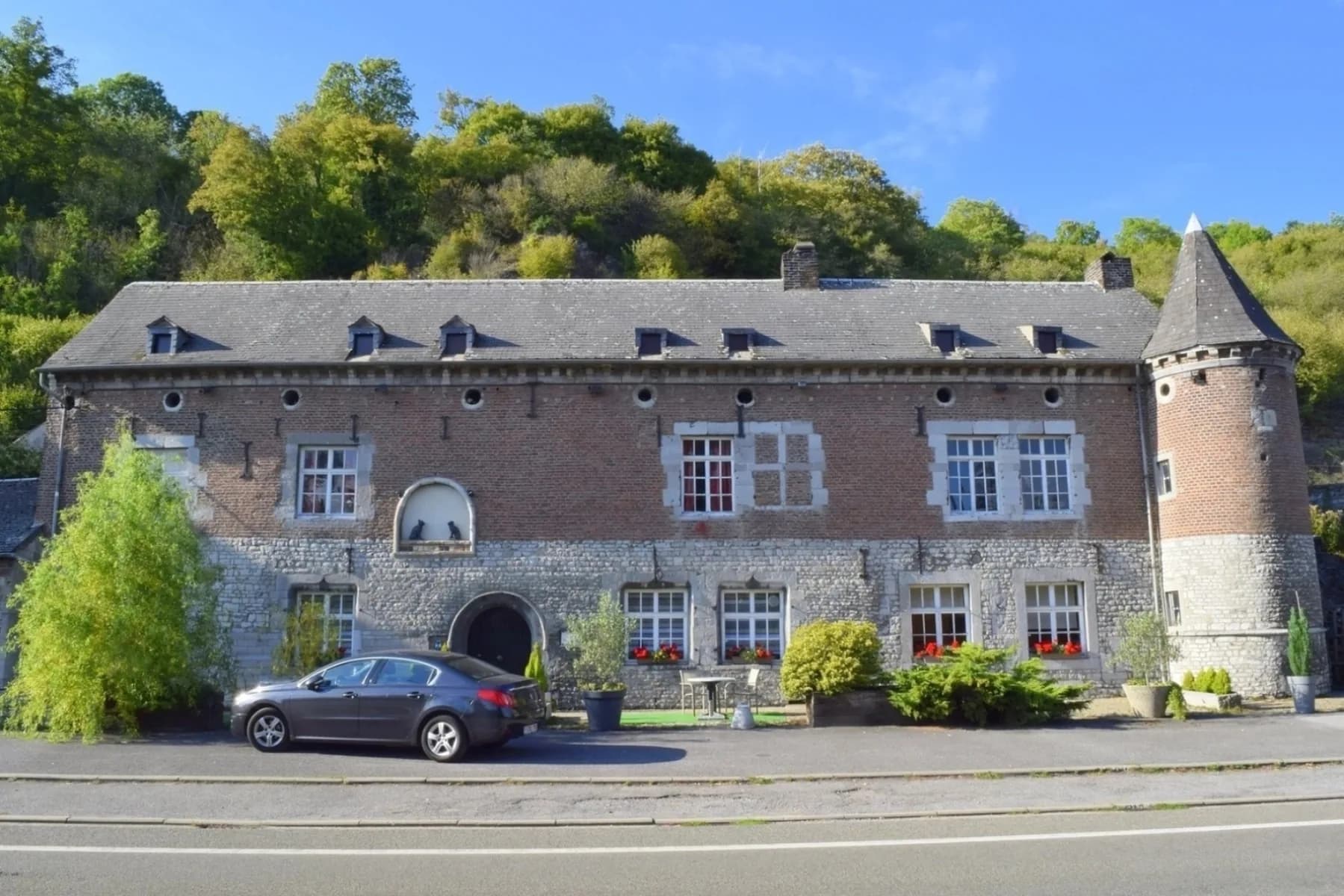
A house in the Mosan Renaissance style, on the banks of the Meuse. Its origins are lost in the mists of history. Its two cats, for their part, have watched over the façade for a century.
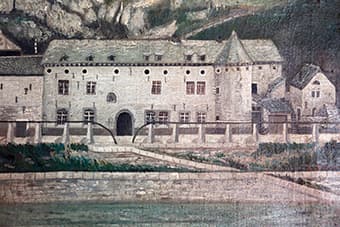
The Kakillerie, long agoOld painting of the house on the banks of the Meuse
On the banks of the Meuse
A house whose age no one knows
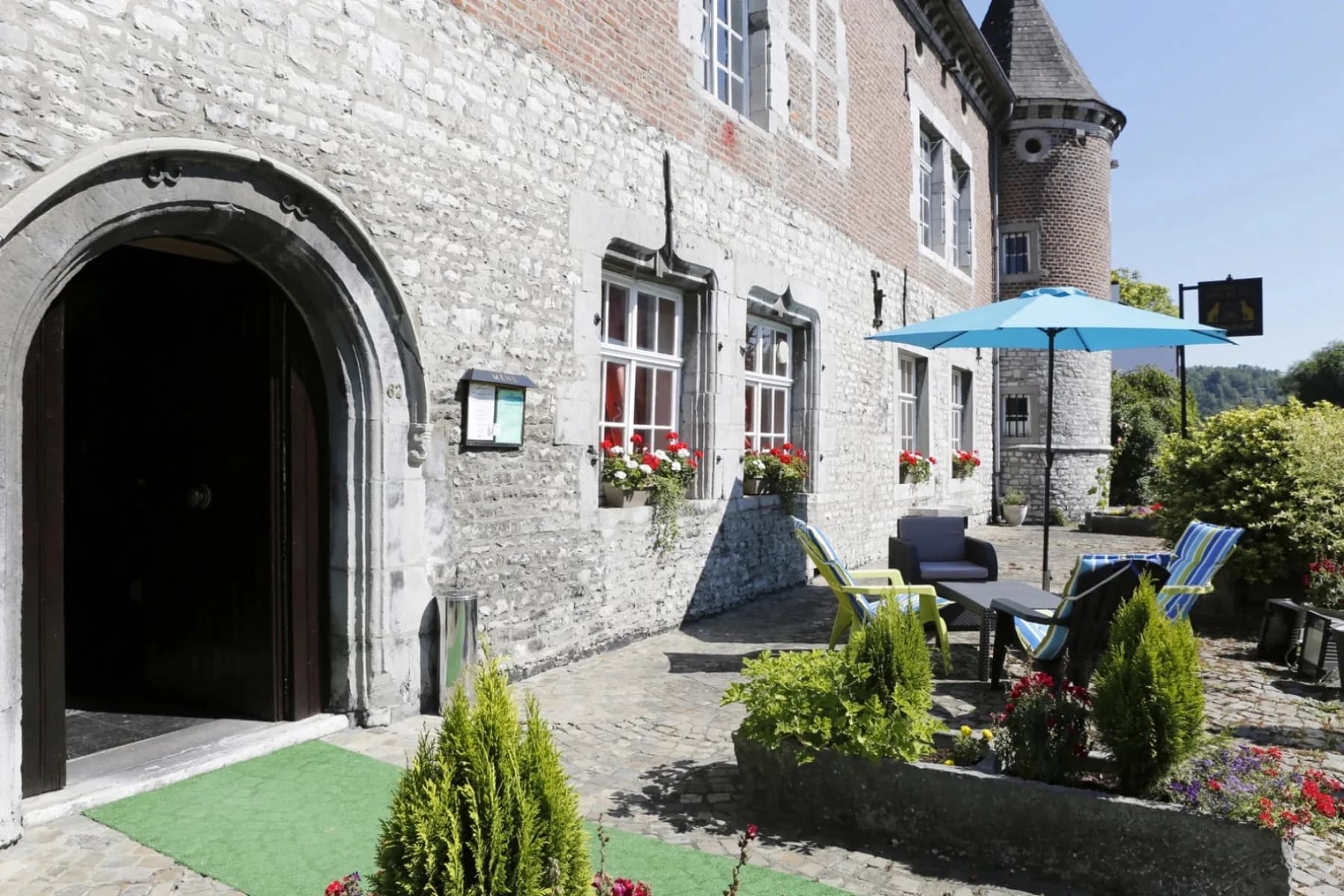
On the Quai de Compiègne, stone and brick have kept the character of the Mosan Renaissance. Inside, the atmosphere has remained hushed and intimate.
No one can say who built the house: its origins are lost in the mists of history. What we know comes down to two old names, a carved stone and two cats. That is enough to tell a story. Here it is, in the order the house left it.
Through the ages
From the Kakillerie to the house of cats
Names that change, a motto that went to the museum, and two cats who came later.
The beginningDate unknown
A house without a birth certificate
The origins of the house are lost in the mists of history. It stands on the banks of the Meuse, in the Mosan Renaissance style, and has never told its age.
15th centuryThe word
A castillerie
In the fifteenth century, a “castillerie” was a fortified house. The name of the place most likely comes from that word.
Kakilleriethen Kakirie
Names that raise a smile
The place was called the Kakillerie, then the Kakirie. From Kakirie to “chats qui rient” – laughing cats – is only a short step: it may well have inspired the name of the house, and the two cats on its façade.
Long agoBefore the cats
The stone with the motto
Before the cats, a carved stone bore a coat of arms between two lions, and this motto:
« Plutôt mourir de franche liberté que de pays perdre la liberté »
Better to die in true freedom than to see the land lose its freedom
The stone is now in the Musée communal de HuyFor a centuryThe niche
Two cats on the façade
The cats have only been visible on the façade for a century. Seated in their niche above the terrace, they look out over the quay.
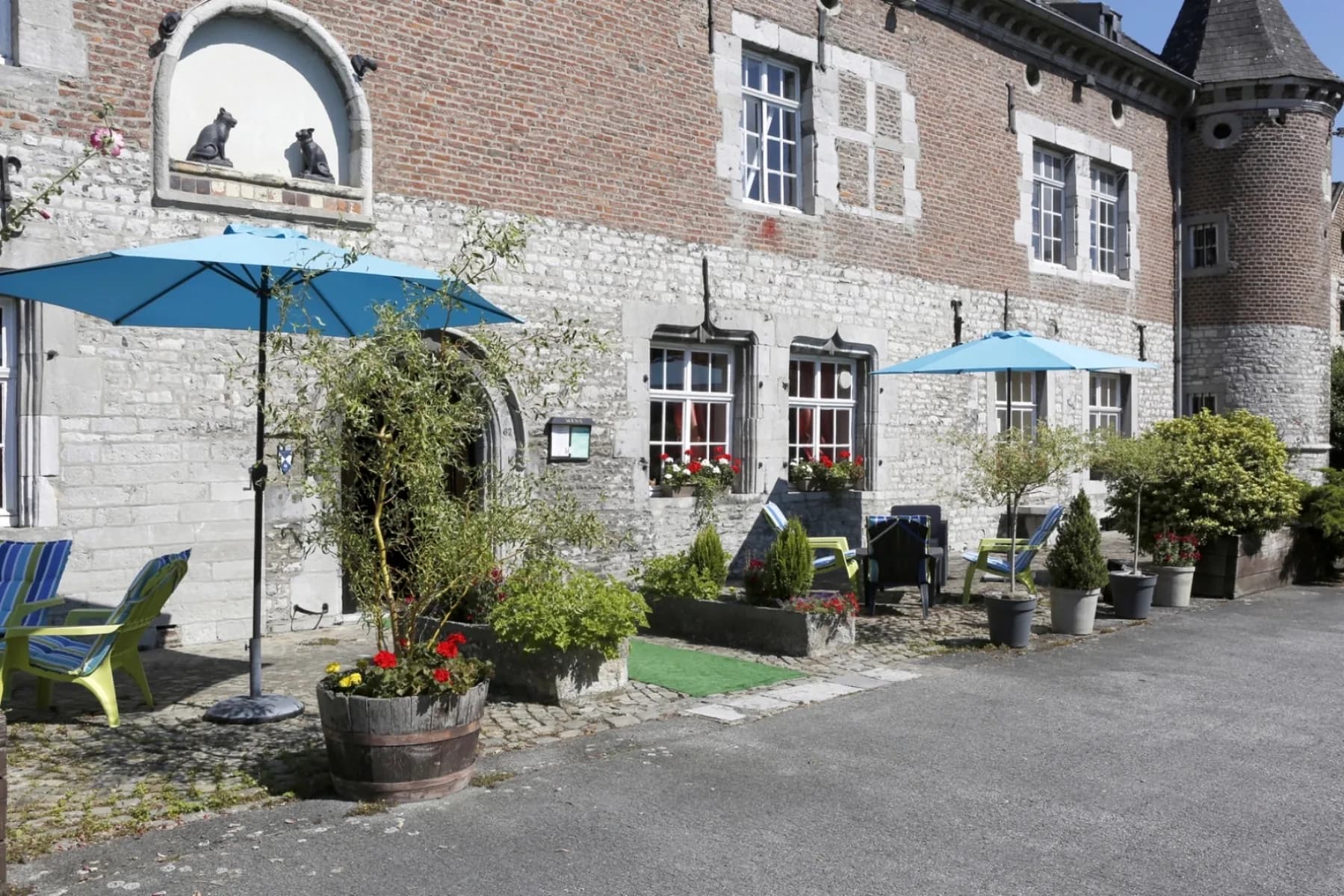
The cats' niche TodayThe name restored
A table in a salon
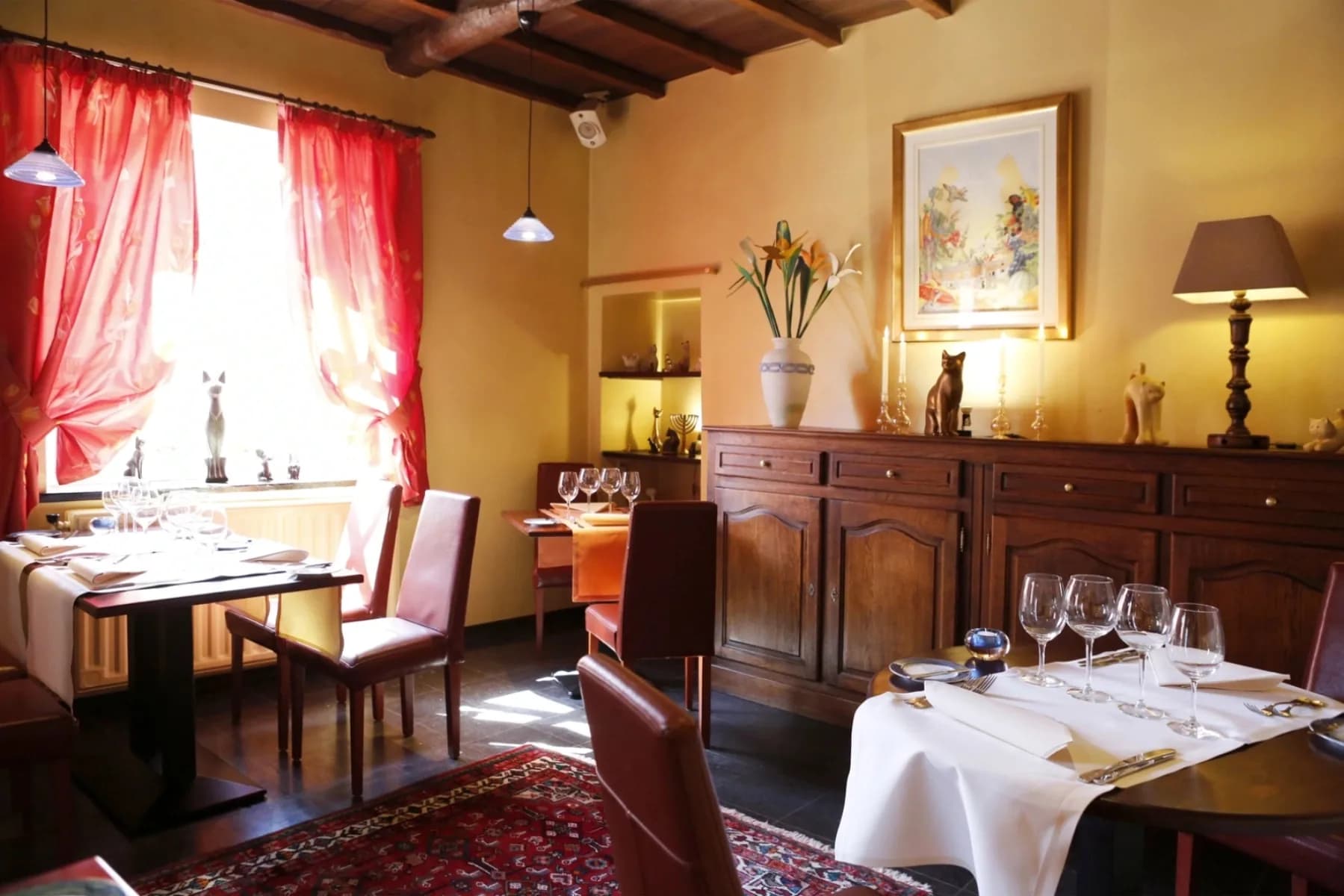
The present owner restored the house's old name. Behind the façade with the cats, a few tables are now laid among the paintings.
The dining room
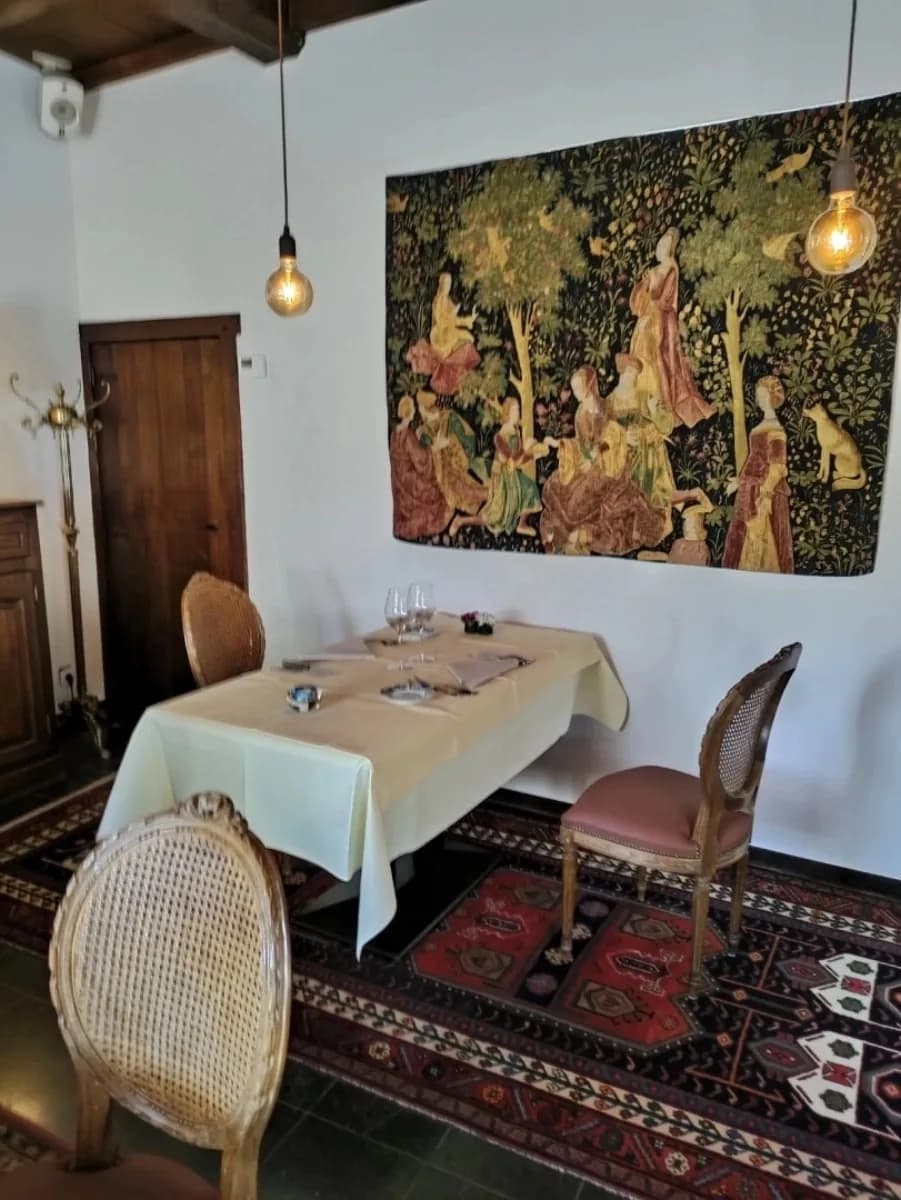
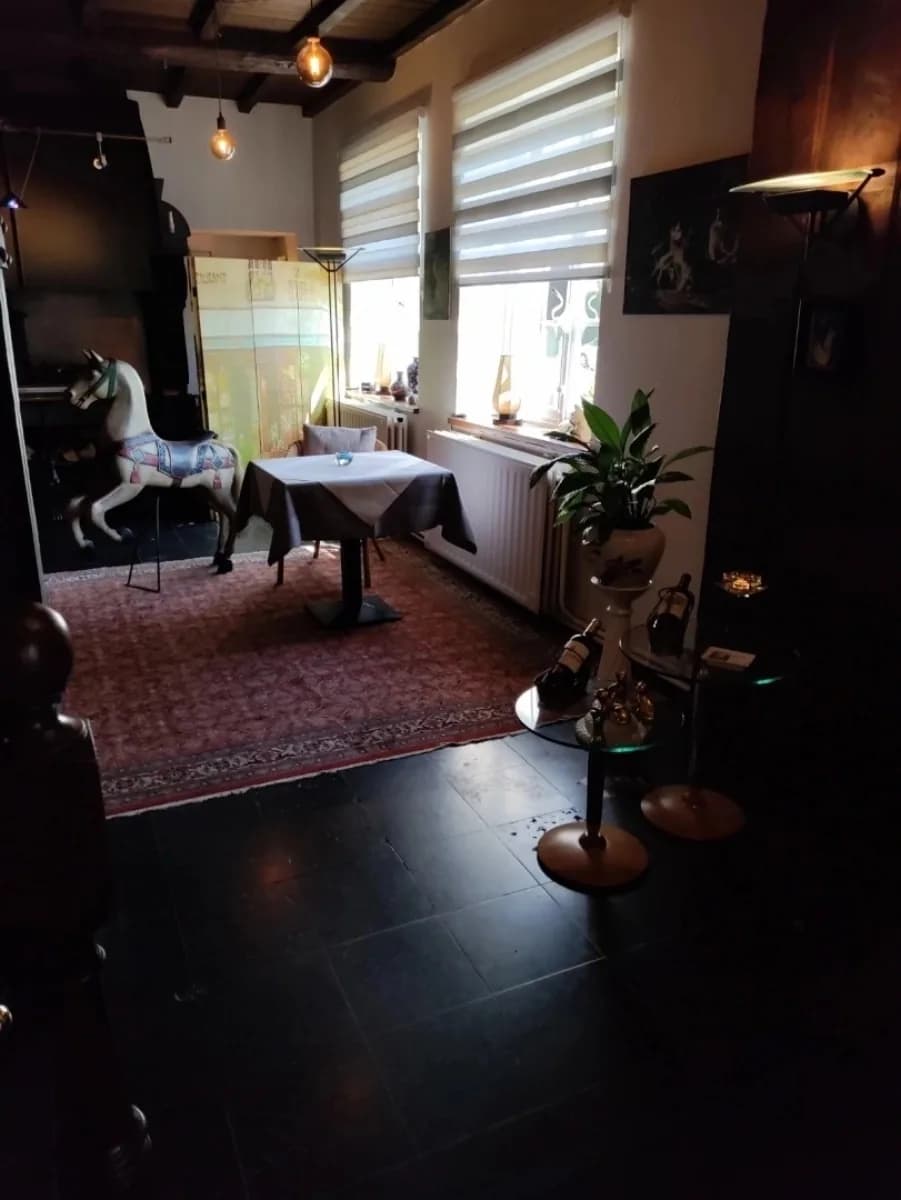
An art salon, a few tables
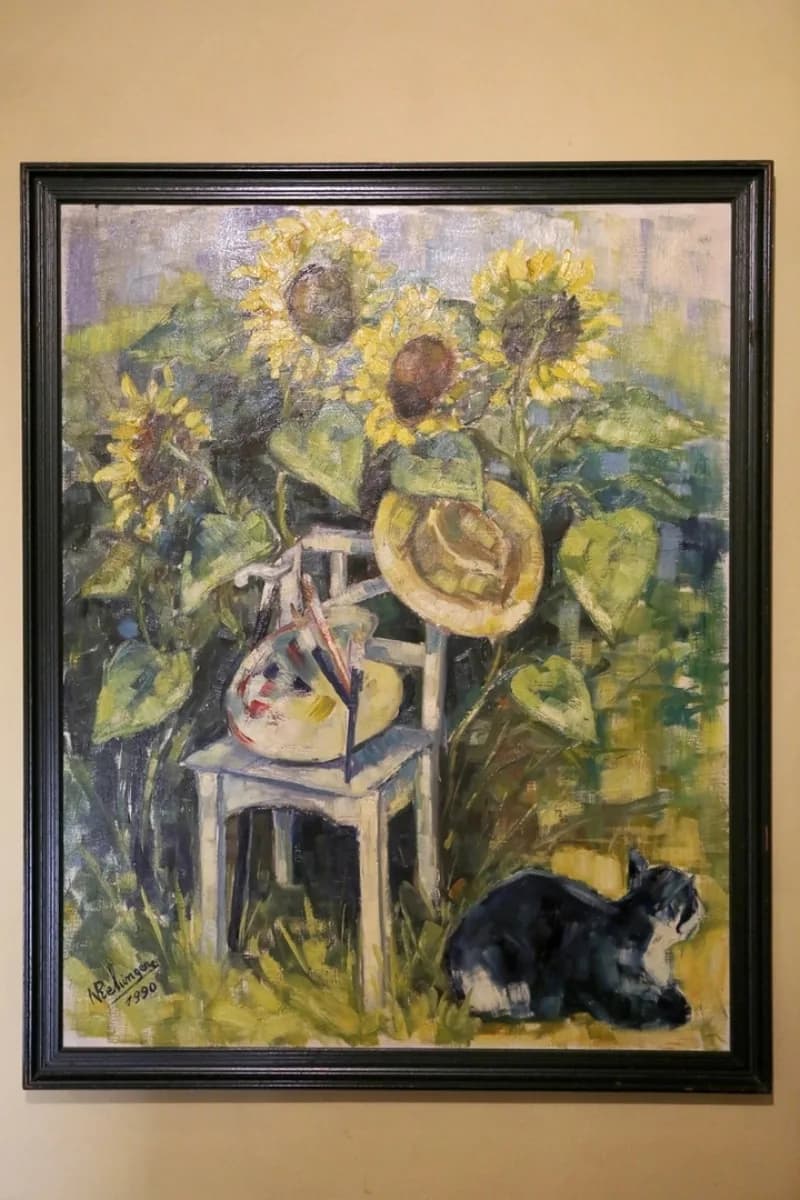
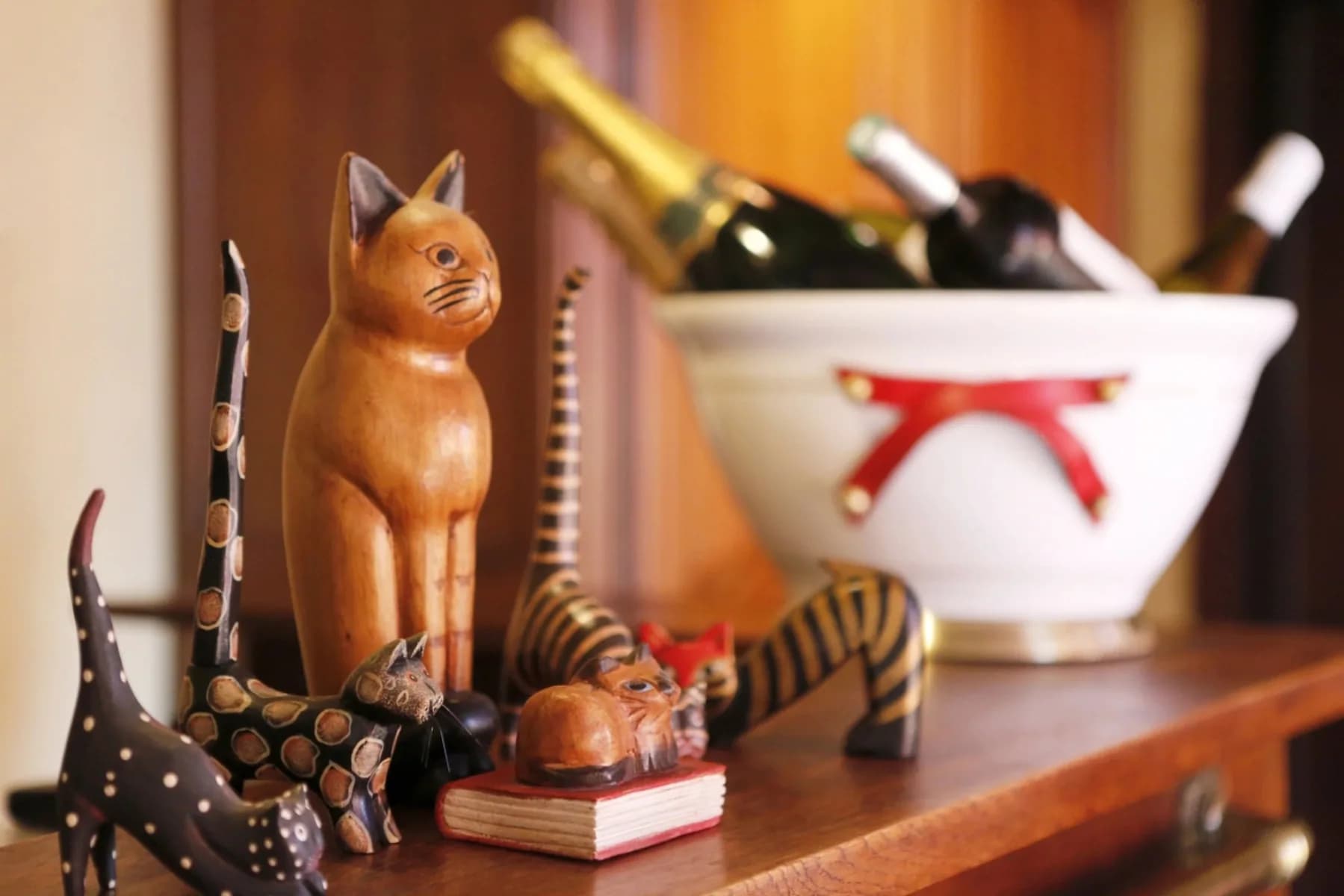
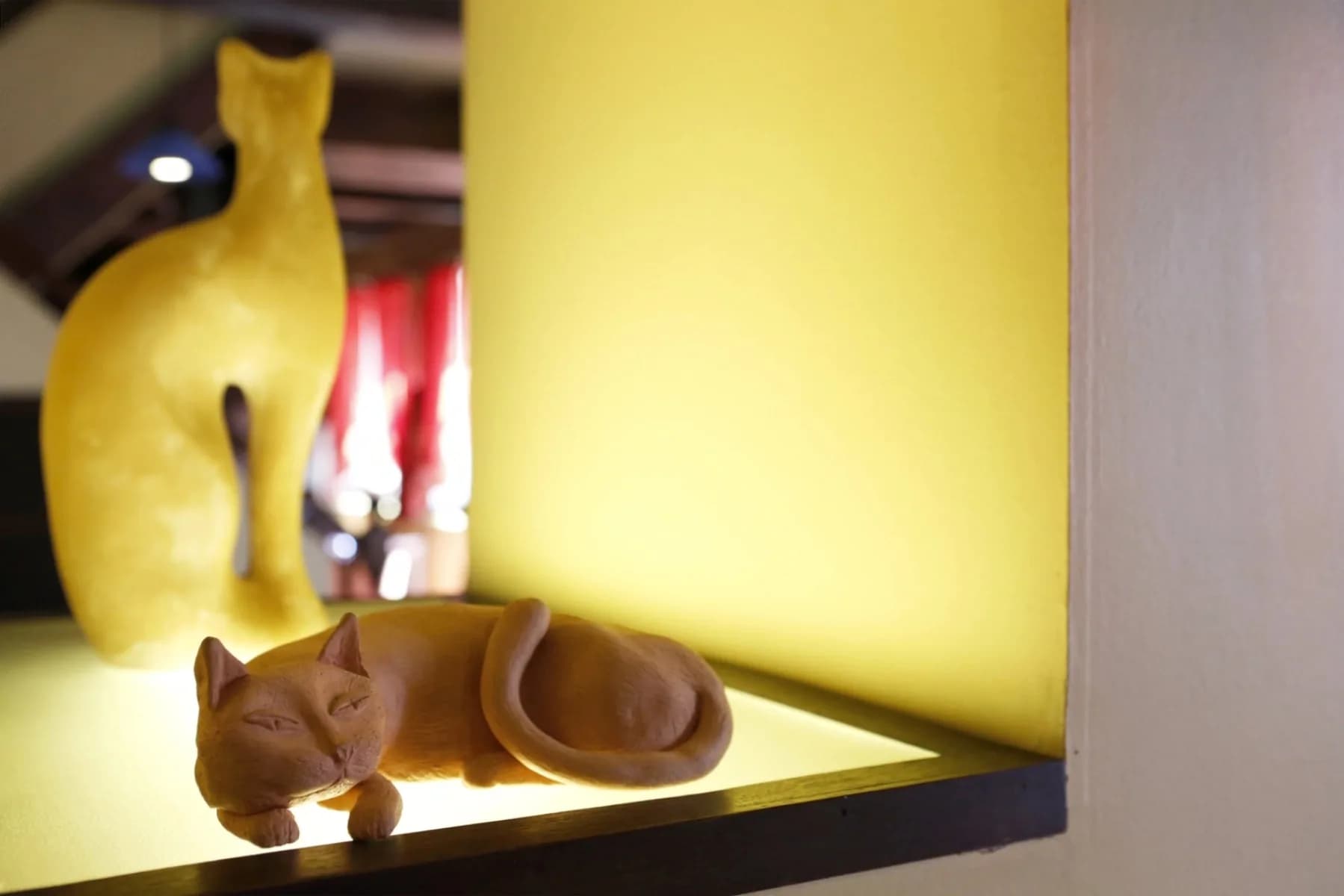
An antique tapestry above a white tablecloth, painted sunflowers, a carousel horse on an oriental rug, and everywhere, cats of wood and bronze.
The terrace
On fine days, in front of the stone
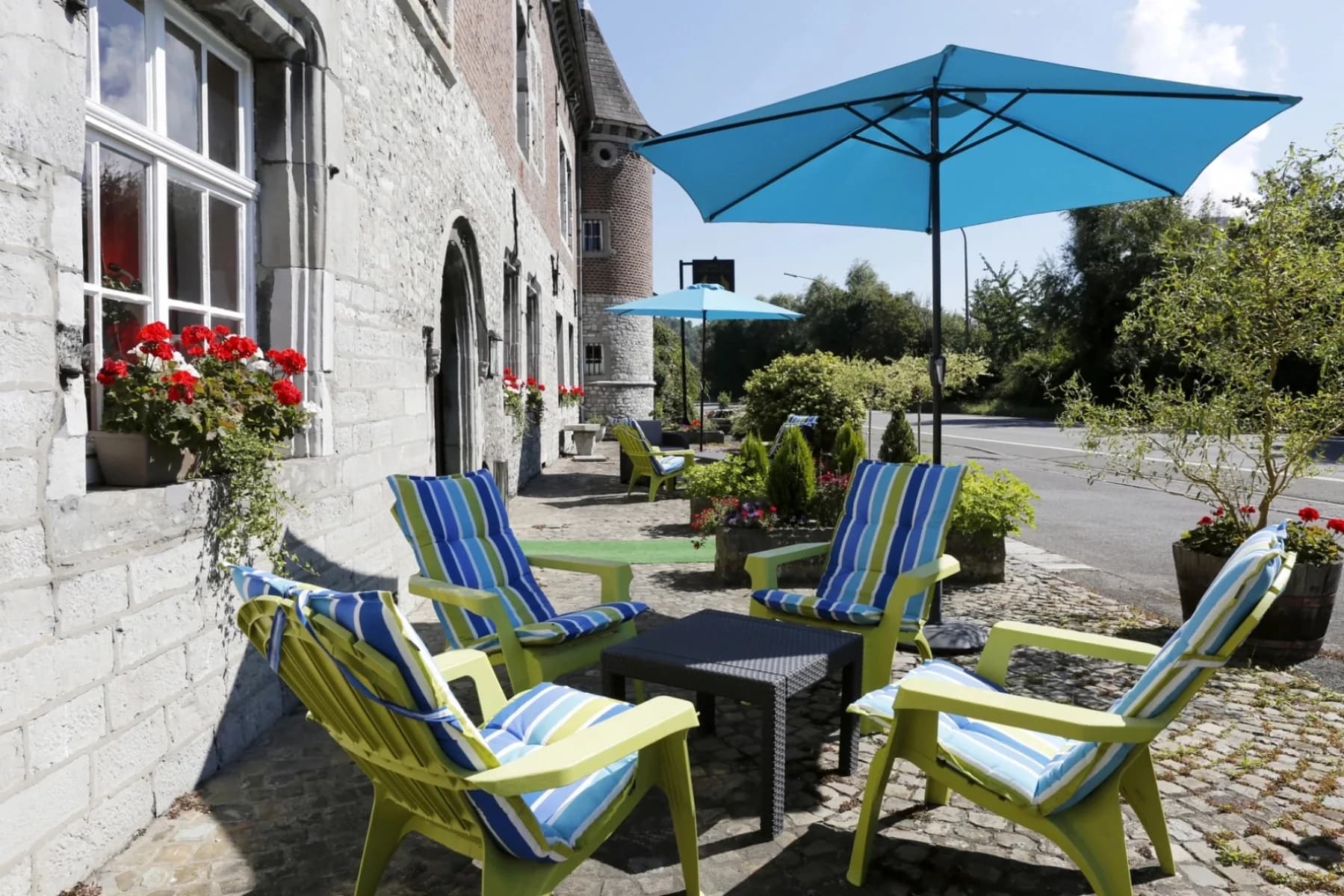
When the sun warms the façade, the terrace is set out beneath the parasols, between the flowers and the arched door.
The restaurant has its own private car park.

Push open the door
Only a few tables, beneath the paintings: book by phone or by email.